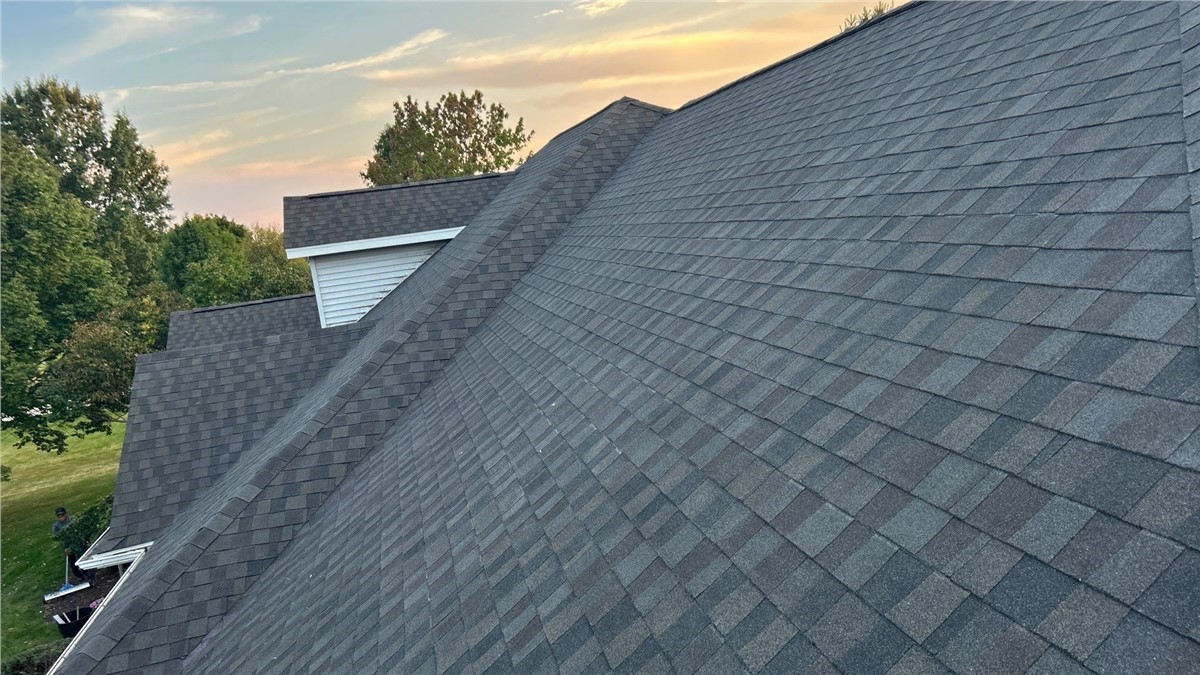
If you're beginning to notice missing shingles, recurring leaks, storm damage, or simply know your roof is nearing the end of its life, one of the first questions you probably have is, "How much will a new roof cost?"
The answer depends on much more than the size of your home.
Roof Replacement Cost Considerations Are Many and Varied
Roof replacement pricing is influenced by dozens of variables, from the roofing material you choose to the complexity of your roof's design, the condition of the existing structure, local building codes, and the experience of the contractor performing the work.
For homeowners throughout Sterling, Rock Falls, Dixon, the Sauk Valley, and Chicago's western suburbs, understanding these factors before requesting estimates can help you make better decisions, compare proposals more accurately, and invest in a roofing system that protects your home for decades.
This comprehensive guide to roof replacement costs explains everything that affects roof replacement pricing and what homeowners should look for when choosing a roofing contractor.
When Is It Time to Replace Your Roof?
Many homeowners wait until they have an active leak before considering roof replacement. Unfortunately, by that point, water may have already caused damage inside the attic, insulation, decking, or even the home's framing.
Some of the most common signs that replacement may be the better long-term solution include:
- Your roof is approaching or has exceeded its expected lifespan.
- Multiple shingles are curling, cracking, or missing.
- Granules are accumulating in gutters.
- Water stains appear on ceilings or walls.
- Moss or algae growth has become widespread.
- Flashing around chimneys or skylights is deteriorating.
- The roof has sustained hail or wind damage.
- Repairs have become increasingly frequent.
- Sections of the roof appear to sag.
- Neighbors with homes built around the same time are replacing their roofs.
If several of these conditions are present, scheduling a professional roof inspection is often the smartest first step.
Learn more about our professional roofing services and how we evaluate roof conditions.
There Is No "Average" Roof Replacement Cost
One of the biggest misconceptions homeowners have is assuming all roofs of similar square footage cost about the same.
In reality, two homes with identical living space can vary by tens of thousands of dollars because roofing contractors are pricing the roof itself, not the home's floor plan.
Your roof's actual size, complexity, accessibility, material selection, and condition all influence pricing.
Think of a residential roof replacement project as a custom construction project rather than a standard home improvement purchase.
What Factors Have the Biggest Impact on Roof Replacement Pricing?
Such a large number of factors impact roof replacement cost that an inspection by a certified roofing professional is necessary for an accurate quote. Estimator tools may offer a realistic range based on some factors, but cannot see below the surface for underlying issues.
Basic Roofing Cost Factors
The majority of roofs in the area are asphalt shingle, as it is the most common product on modern homes. Using this material, basic factors for new roof installation pricing include size, pitch and complexity.
Roof Size
The most obvious pricing factor is total roof area.
Roofers calculate roof size using "squares," with one square representing 100 square feet of roofing surface.
Larger roofs require:
- More shingles or roofing panels
- More underlayment
- More flashing
- Additional ventilation materials
- More labor
- Longer installation time
- Larger dumpsters for debris
Even modest increases in roof size can significantly affect total project cost.
Roof Pitch
Steeper roofs require specialized safety equipment, roof jacks, harnesses, and additional labor.
A roof that is difficult to walk safely takes considerably longer to install than one with a gentle slope.
This added labor is reflected in project pricing.
Roof Complexity
One of the largest pricing differences comes from architectural complexity.
Features that increase installation time include:
- Multiple roof sections
- Dormers
- Valleys
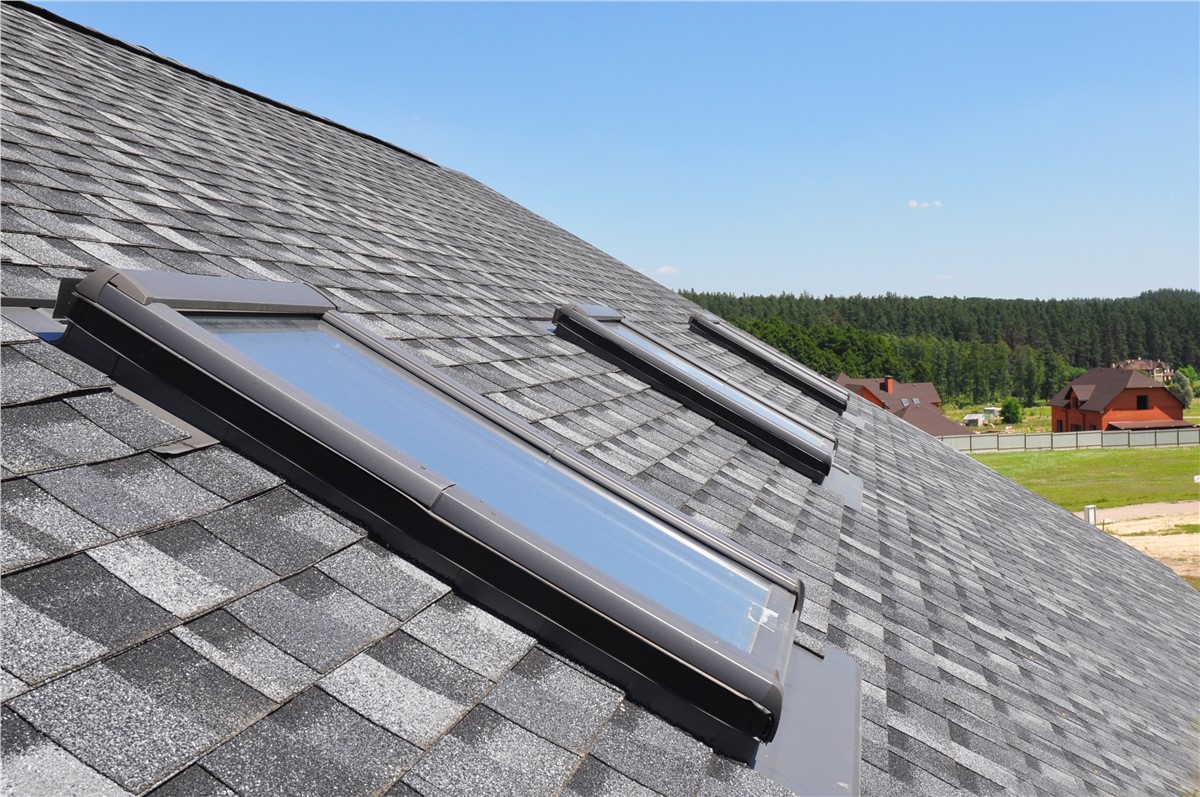
- Skylights
- Solar tube penetrations
- Plumbing vents
- Chimneys
- Cricket flashing
- Cupolas
- Turrets
- Multiple ridges
- Cathedral ceilings
- Numerous transitions between roof elevations
Every valley, penetration, and transition requires additional waterproofing and flashing.
These are also the areas where many roof leaks originate if installation quality is poor.
Existing Roof Condition Can Dramatically Affect Price
Until the existing shingles are removed, no contractor can fully determine the condition of the roof deck underneath.
Common discoveries include:
- Rotten plywood
- Water-damaged decking
- Mold growth
- Delaminated sheathing
- Improper framing
- Structural movement
- Previous poor-quality repairs
- Ventilation deficiencies
Although structural repairs increase the project investment, they also prevent future problems that could shorten the life of the new roof.
Skipping these repairs may save money today but often leads to much larger expenses later.
How Existing Roofing Layers Affect Cost
Some homes have two or even three layers of old shingles.
Additional layers require:
- More labor to remove
- Additional dumpster capacity
- Longer cleanup
- Greater disposal costs
Illinois building codes also limit how many roofing layers may remain in place before replacement requires complete removal.
A quality contractor will explain the advantages of a full tear-off and why it allows hidden damage to be identified before new materials are installed.
Additional Factors That Affect Roofing Costs
Several project-specific items also influence your investment.
Roof Ventilation Upgrades
Proper attic ventilation is essential for:
- Preventing moisture buildup
- Extending shingle life
- Improving energy efficiency
- Helping maintain manufacturer warranty requirements
Ventilation improvements often include ridge vents, intake vents, or attic airflow corrections.
Flashing replacement
High-quality roof replacements typically include replacing flashing around:
- Chimneys
- Plumbing vents
- Skylights
- Sidewalls
- Valleys
Reusing deteriorated flashing often leads to premature leaks.
Ice and water protection
Illinois winters make ice and water barriers especially important around eaves, valleys, and vulnerable roof penetrations.
Permit and inspection requirements
Municipal permit costs vary throughout northern Illinois and the western Chicago suburbs. Some communities also require final inspections before the project is considered complete.
Disposal costs
Old roofing materials must be removed and disposed of properly. Dumpster fees, landfill costs, and transportation expenses all contribute to project pricing.
Roofing Material Makes a Significant Difference
Roofing types and roof materials are among the most significant factors affecting total investment.
However, it is important to remember that every roofing category contains multiple quality levels.
Premium materials generally offer:
- Longer manufacturer warranties
- Better impact resistance
- Higher wind ratings
- Improved appearance
- Longer expected lifespan
- Better energy performance
Let's compare the most popular roofing systems available throughout northern Illinois.
Asphalt Shingle Roof Replacement Pricing
Typical Chicagoland Price Range: Approximately $10,000 to $22,000
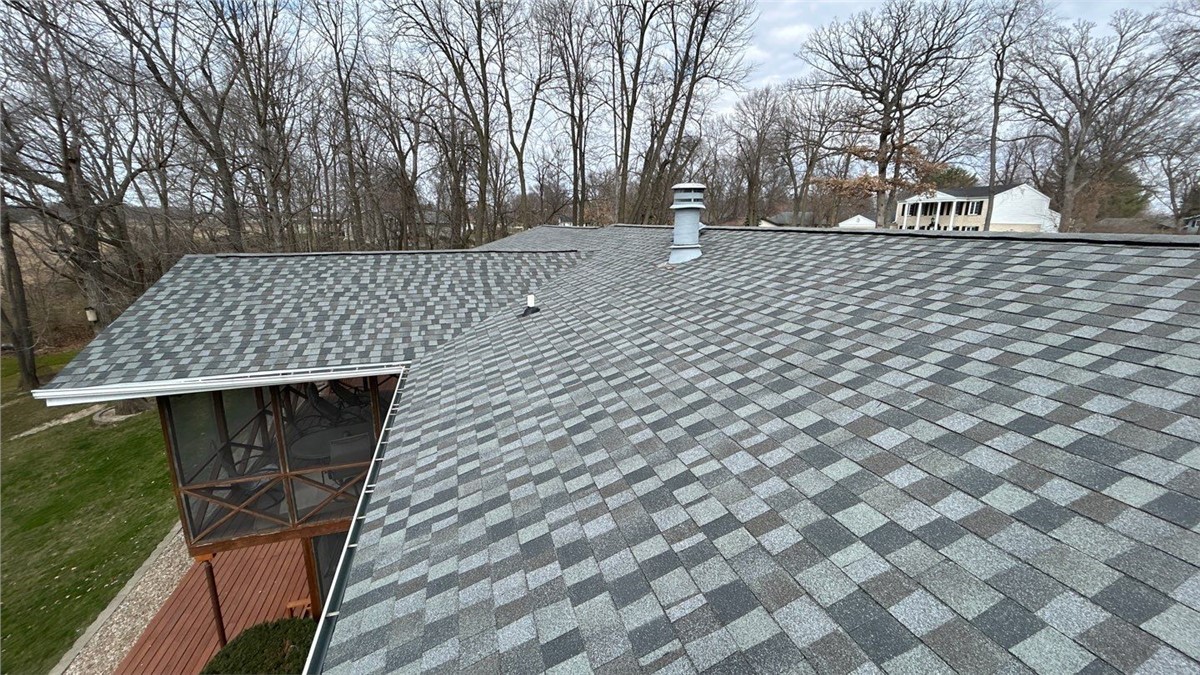
Architectural asphalt shingles remain the most popular roofing choice because they combine affordability, appearance, and long-term performance.
Entry-level architectural shingles generally cost less but may include shorter warranties and lower wind ratings.
Premium shingles often include:
- Enhanced algae resistance
- Higher wind warranties
- Better impact resistance
- Richer color blends
- Thicker construction
- Longer manufacturer protection
Premium installation systems that include upgraded underlayment, starter shingles, ridge caps, and ventilation may also increase project pricing while providing better long-term performance.
Learn more about roof replacement services.
Metal Roof Installation Costs
Typical Chicagoland Price Range: Approximately $22,000 to $45,000 or more
Metal roofing has become increasingly popular because of its exceptional durability.
Although the initial investment is higher than asphalt shingles, many homeowners appreciate benefits including:
- Lifespans of 40 to 70 years
- Exceptional wind resistance
- Fire resistance
- Energy efficiency
- Low maintenance
- Excellent snow shedding
Pricing varies based on:
- Standing seam systems
- Exposed fastener systems
- Steel thickness
- Protective coatings
- Paint finish quality
- Custom fabrication
- Color selection
Premium standing seam systems require highly skilled installers and specialized equipment, contributing to their higher cost.
Stone-Coated Steel Roofing Cost
Typical Chicagoland Price Range: Approximately $18,000 to $40,000 or more
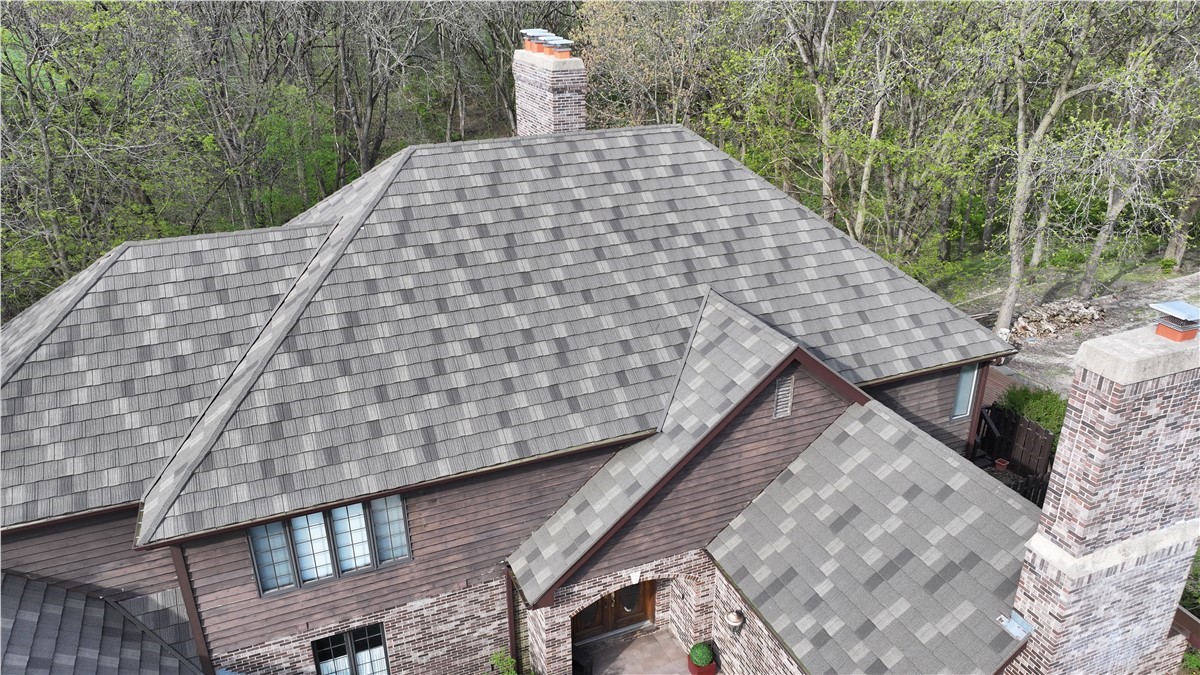
Stone-coated steel roofing combines the strength of steel with the appearance of traditional shingles, cedar shake, or tile.
These systems are especially attractive for homeowners seeking:
- Outstanding curb appeal
- Exceptional longevity
- Excellent hail resistance
- Lightweight construction
- Wind resistance
- Minimal maintenance
Pricing varies based on panel profile, manufacturer, finish quality, and installation complexity.
Flat Roofing System Prices
Typical Chicagoland Price Range: Approximately $8,000 to $30,000 or more
Flat roofs require specialized waterproofing systems rather than conventional shingles.
Common materials include:
- TPO
- EPDM
- PVC
- Modified Bitumen
Each system offers different advantages regarding energy efficiency, chemical resistance, flexibility, durability, and expected lifespan.
The appropriate material depends upon:
- Roof slope
- Drainage
- Building use
- Existing insulation
- Budget
- Long-term ownership goals
Ventilation Is One of the Most Overlooked Investments
Many homeowners focus entirely on shingles while overlooking attic ventilation.
Proper ventilation helps:
- Reduce attic temperatures
- Prevent moisture accumulation
- Improve energy efficiency
- Extend roof life
- Reduce ice dam formation
- Protect manufacturer warranties
A professional roof replacement should evaluate the home's complete ventilation system rather than simply replacing shingles.
Flashing Is Where Roof Quality Is Often Won or Lost
Flashing protects every transition where water can enter the home.
Professional roof replacement typically includes replacing flashing around:
- Chimneys
- Plumbing vents
- Skylights
- Sidewalls
- Roof valleys
- Dormers
Reusing deteriorated flashing may lower the estimate but increases the likelihood of future leaks.
Why Roofing Estimates Can Vary So Much
Homeowners are often surprised when estimates differ by several thousand dollars.
That difference frequently comes down to what each contractor includes.
One proposal may include:
- Complete tear-off
- Ice and water protection
- Premium synthetic underlayment
- Ridge ventilation
- New flashing
- Deck repairs
- Manufacturer-certified installation
- Extended warranties
Another proposal may exclude several of these important items.
Comparing estimates line by line helps homeowners understand the true value being offered.
Warranties Matter More Than Many Homeowners Realize
Not all roofing warranties provide the same level of protection.
There are generally two types.
Manufacturer Warranty
This protects against defects in roofing materials.
Coverage varies depending upon:
- Roofing manufacturer
- Product line
- Complete roofing system installation
- Contractor certification
Premium roofing systems installed by manufacturer-certified contractors often qualify for enhanced warranty protection.
Contractor Workmanship Warranty
This covers installation quality.
An experienced roofing contractor stands behind the workmanship of the installation, giving homeowners confidence that any installation-related issues will be addressed promptly.
Always ask:
- What is covered?
- How long is coverage?
- Is warranty transferable?
- Who performs warranty service?
Why Contractor Experience Affects Price
Roof replacement is far more than installing shingles.
Experienced roofing companies invest heavily in:
- Ongoing installer training
- Manufacturer certifications
- Safety programs
- Proper insurance
- Skilled supervisors
- Quality control inspections
- Professional project management
- Modern equipment
- Customer service
These investments contribute to slightly higher pricing than inexperienced contractors, but they also reduce the likelihood of installation errors that can cost homeowners significantly more over time.
Boss Roofing-Siding Experts is proud to be a GAF Master Elite roofing contractor, an achievement earned by only a small percentage of roofing companies nationwide. Our team is also a GAF President's Club member, BBB Accredited with an A+ Rating, and a multi-time recipient of regional contractor excellence awards. These credentials reflect our commitment to continuous training, exceptional craftsmanship, and outstanding customer satisfaction.
Questions Every Homeowner Should Ask Before Hiring a Roofing Contractor
Choosing the right roofing company is just as important as choosing the right roofing material.
Ask prospective contractors:
- Are you fully licensed and insured?
- Are your installers manufacturer certified?
- Will permits be obtained?
- What roofing system do you recommend?
- Will damaged decking be replaced if needed?
- What warranties are included?
- How is ventilation evaluated?
- How will landscaping be protected?
- Who supervises the installation?
- Can you provide local references?
- How long have you been serving this area?
The best roofing contractors welcome these questions because they understand that educated homeowners make confident customers.
Don't Make Your Decision Based on Price Alone
The least expensive estimate is rarely the lowest lifetime cost.
Higher-quality roofing systems often provide:
- Longer service life
- Better weather protection
- Fewer repairs
- Lower maintenance
- Better energy efficiency
- Improved resale value
- Stronger warranty protection
When viewed over 30 to 50 years, investing in quality materials and professional installation often proves to be the better financial decision.
Schedule a Professional Roof Inspection Before Comparing Estimates
Every roof tells a different story. The only way to accurately determine replacement needs and pricing is through a comprehensive inspection performed by an experienced roofing professional.
At Boss Roofing-Siding Experts, our professional local roofers carefully evaluate your roof's condition, explain our findings, discuss available material options, and provide a detailed written estimate with no pressure and no hidden surprises. Whether you're considering architectural shingles, metal roofing, stone-coated steel, or a flat roofing system, we'll help you choose the solution that offers the best combination of protection, appearance, performance, and long-term value for your home.
If you are planning a roof replacement anywhere in Sterling, Rock Falls, Dixon, the Sauk Valley, or Chicago's western suburbs, contact Boss Roofing-Siding Experts today to schedule your free roof inspection and estimate.
Subscribe to Boss Roofing-Siding Experts's Blog

Comments